The Technique
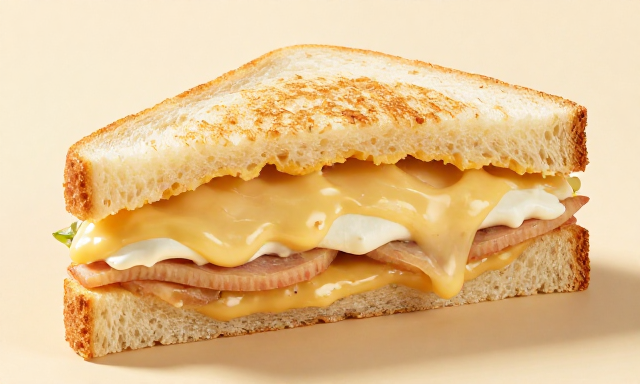
Match your bread to your filling by weight and density. Delicate fillings — a simple cucumber and cream cheese, a light egg salad, smoked salmon — need light bread: thinly sliced sandwich white, a soft potato roll, or a brioche. Bold, heavy fillings — brisket, meatballs in sauce, a loaded Italian sub — need bread with structural density to match: a sturdy hoagie roll, a chewy ciabatta, a thick-cut sourdough.
Why It Works
The bread-to-filling ratio is one of the most fundamental balance decisions in sandwich construction. A delicate filling overwhelmed by a thick, assertive bread results in a sandwich that tastes primarily of bread — a textural disappointment where the filling vanishes. A heavy, saucy filling in a fragile bread results in structural failure and mush. The ideal sandwich is one where bread and filling are roughly equal presences in each bite, where neither dominates and both are enhanced by the combination. This is why the Philly cheesesteak lives on an Amoroso roll, the Cuban on Cuban bread, and the Earl of Sandwich's original on simple thin white bread.
When to Use It
Every time you choose bread for a sandwich. Build the habit of asking: does my filling demand bread that can hold up to it, or bread that will let it shine? Rich, fatty fillings like porchetta need chewy bread with some structure. Clean, bright fillings like fresh vegetables and light proteins need bread that adds texture without competing. This is also why sandwich bread sliced at bakeries is always done to specific thicknesses for specific purposes.
Pro Tips
- A good rule of thumb: the bread should never be more than 40% of any given bite by volume
- Hollow out dense rolls for very saucy fillings rather than switching to a different roll
- The crust-to-crumb ratio in the bread matters too — a thick crust on a thin slice can overwhelm delicate filling
- When in doubt, err toward lighter bread — you can add density with toasting