Protein is the most important macronutrient in a sandwich and the primary driver of satiety — the feeling of fullness that keeps you from rummaging through the refrigerator an hour after lunch. The average adult needs roughly 0.8 grams of protein per kilogram of body weight per day, and a well-constructed sandwich can deliver anywhere from 15 to 45 grams in a single meal. The best sandwich protein sources per gram are turkey breast (about 30g per 100g, very lean), canned tuna (25g per 100g), grilled chicken (31g per 100g), and eggs (13g per 100g, but a complete amino acid profile). Deli meats are convenient but vary wildly — roast beef is leaner and higher in protein than bologna, which is heavily processed and diluted with fat and filler. For vegetarians, the best protein moves are hummus with whole grain bread (a complete amino acid profile when combined), white bean spreads, or a fried egg. One underrated move: a chicken salad sandwich made with Greek yogurt instead of mayo roughly doubles the protein content while slashing the fat. If you are building a sandwich specifically for post-workout recovery, aim for at least 25g of protein and pair it with a complex carbohydrate bread to restore glycogen.
Sandwich
Nutrition
The Complete Guide
Real numbers. No guilt. No deprivation. What's actually in a Reuben, how to make a BLT smarter without wrecking it, and why the open-faced sandwich is one of the best nutritional ideas anyone has ever had.
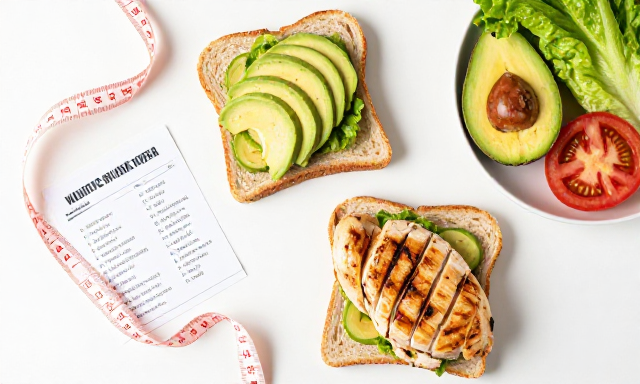
Nutrition figures are real approximate values based on standard ingredient quantities. Individual results will vary based on brand, preparation, and portion size.
10 Nutrition Principles
What you need to know about protein, bread, fat, fiber, sodium, and all the rest — in terms that actually apply to the sandwich you are building today.
The bread accounts for more total calories than most sandwich builders realize — and the range is enormous. Two slices of standard thin-sliced white sandwich bread (the kind that comes in a plastic bag) run about 130–160 calories and contribute minimal fiber or micronutrients. Two slices of thick-cut brioche can clock in at 280–340 calories before you have added a single ingredient. A standard-length baguette section (about 6 inches) is closer to 200–240 calories, dense and chewy but also quite high on the glycemic index due to its simple starch structure. The best bread choices from a nutritional standpoint are whole grain options with at least 3 grams of fiber per slice — Dave's Killer Bread, whole wheat sourdough, seeded rye, and sprouted grain breads like Ezekiel all qualify. These choices slow glucose absorption, extend satiety, and deliver B vitamins and trace minerals that white bread lacks entirely. The open-faced format — one slice instead of two — is the simplest single change you can make to cut 60–120 calories while keeping everything you actually want to eat. Ciabatta and focaccia are deceptively calorie-dense due to generous olive oil content in the dough. The practical rule: the more a bread resembles a pastry, the more carefully you should account for its caloric contribution.
Fat is not the enemy in a sandwich — but fat sources matter enormously for both health outcomes and flavor. The healthiest fat additions to a sandwich are avocado (monounsaturated fats, same category as olive oil), olive oil drizzled on crusty bread, and nuts or nut butters in small quantities. These fats are associated with improved cardiovascular markers and are genuinely satiating without spiking triglycerides the way refined carbohydrates do. The fats to moderate are the saturated category: cheese, mayo-based condiments, processed deli meats with visible fat, and bacon. Saturated fats are not as dangerous as they were once portrayed, but the density of calories in these ingredients is high — a single tablespoon of full-fat mayonnaise is 90 calories and 10 grams of fat, while two thick slices of cheddar are 220 calories and 18 grams of fat. The fat that appears most invisibly is oil used to press a panini or griddle a grilled cheese — each tablespoon of butter adds 100 calories that you barely notice. A reasonable approach: choose one high-fat star ingredient (quality cheese, avocado, or a smear of real mayo) and let the rest of the sandwich be built around leaner elements. Fat is also the primary carrier of flavor compounds, which is why low-fat versions of everything taste worse — the compromise is portion precision, not elimination.
The average American gets roughly 15 grams of dietary fiber per day against a recommended 25–38 grams. A thoughtfully built sandwich can deliver 8–12 grams of that in a single meal — or almost none at all if you build it on white bread with processed deli meat and iceberg lettuce. The fiber opportunity in a sandwich is significant and requires almost no sacrifice in flavor. Start with whole grain bread (2–5g of fiber per slice depending on the brand and grain density). Add raw vegetables: spinach, arugula, roasted red peppers, cucumber, tomato, shredded cabbage, and grated carrots all contribute meaningfully. Add hummus as a spread (3g fiber per 2 tablespoons) or smashed white beans. An avocado half adds approximately 5g of fiber. The specific fiber in vegetables and whole grains is insoluble fiber, which speeds transit time through the digestive system, while legumes add soluble fiber, which forms a gel in the digestive tract and actively lowers LDL cholesterol. The practical takeaway: if you build a sandwich on whole grain bread with 2–3 vegetable components and a legume-based spread, you can hit 10+ grams of fiber without ever thinking about it. That is a third to half of your daily requirement in a meal that took four minutes to assemble.
A subway footlong can contain 2,000–3,000mg of sodium — close to the entire daily recommended intake of 2,300mg in a single meal. This is not an accident. Salt is the primary preservative in processed deli meats, and every layer of a classic deli sandwich — the meat, the cheese, the pickles, the mustard, and sometimes the bread itself — is heavily salted. A single slice of American cheese: 250mg. Two tablespoons of yellow mustard: 200mg. Two ounces of roast turkey from a deli: 600mg. A single dill pickle spear: 300–500mg depending on brand. Stack all of those on a salted sourdough and you have a sodium invoice that will leave you retaining water and feeling sluggish for hours. The reduction strategies are straightforward: buy reduced-sodium deli meats (they exist and taste fine), skip the pickles or substitute fresh cucumber, use mustard strategically instead of layering it on, and rinse canned vegetables before using them. The biggest single swap is moving from processed deli meat to home-roasted or grilled proteins — a chicken breast you cooked yourself has perhaps 75mg of sodium per serving versus 700mg in pre-packaged rotisserie-style sliced chicken. If you love the classic deli experience, acknowledge it as an occasional indulgence rather than a daily lunch.
The sandwich is one of the most efficient vegetable-delivery mechanisms in the human culinary arsenal, and most people use it to deliver about three grams of iceberg lettuce. A genuinely well-loaded sandwich can function as a full day's serving of vegetables without requiring any particular sacrifice. The structural logic is simple: the bread and the protein create a stable base, and every square inch of surface area between them is an opportunity. Roasted red peppers, sliced tomato, shredded purple cabbage, fresh spinach, peppery arugula, cucumber rounds, thinly sliced raw beet, grated carrot, avocado — all of these add moisture, texture, color, and a density of micronutrients that processed meat cannot replicate. The practical move is building the vegetable component first, after the spread, and treating it as seriously as the protein choice. A banh mi is an excellent model: it is roughly one-third protein and two-thirds pickled and fresh vegetables, which is why it often runs 350–450 calories for a full sandwich despite being enormously satisfying. Adding fresh herbs — cilantro, basil, mint — to a sandwich costs essentially zero calories and adds complexity that makes the whole thing taste more complete. The 'loaded vegetable' sandwich is not a health compromise. It is genuinely better than the thin-meat-and-two-leaves version in every measurable dimension.
Condiments are where sandwich calories hide most effectively, because they are applied without measurement and their caloric density is wildly underestimated. A tablespoon of full-fat mayonnaise is 90 calories and 10 grams of fat. Most people apply two or three tablespoons without realizing it — that is 180–270 calories from a substance with no protein and almost no nutritional value beyond its fat content. Contrast this with yellow mustard at 5 calories per tablespoon, Dijon at 15 calories per tablespoon, or hot sauce at 5 calories per teaspoon. The condiment choices compound quickly: a restaurant-made sandwich often has 3 tablespoons of mayo, 1 tablespoon of ranch, and some kind of aioli, collectively adding 350–450 calories before the sandwich even starts. The smarter move is using condiments with genuine flavor-to-calorie ratios: mustard in all its forms, hot sauces, vinegar-based dressings, tzatziki (made with Greek yogurt rather than mayo-based), hummus, and baba ganoush. If you love mayonnaise specifically, use the best full-fat version you can find and apply it precisely — a single tablespoon applied to one side of the bread is genuinely enough, and it reads as a proper condiment rather than a paste.
The single most impactful nutritional variable in a sandwich is not ingredient choice — it is the total size of the sandwich. A Subway footlong is roughly twice the calories of a six-inch, and both have exactly the same ingredients. A restaurant club sandwich, with its triple-decker construction, is often 800–1,100 calories regardless of how it is made, simply because the mass is enormous. Most people significantly underestimate sandwich calories because they think about the quality of ingredients rather than the quantity. The practical fix is the six-inch standard: a sandwich built on two standard slices of bread (or a six-inch roll) is an appropriate single-meal serving for most adults. If you use a large crusty roll — a ciabatta roll, a brioche bun, a long hoagie — you are already at 250–350 calories of bread before any filling, and the natural loading instinct tends to fill the available space. The open-faced format deserves special mention here: by cutting the bread in half, you automatically reduce portion size by 15–25% without experiencing any meaningful reduction in satisfaction. The meal still presents as a full plate, the flavors are unchanged, and you have saved yourself 80–150 calories with a single structural decision that takes no discipline whatsoever.
The open-faced sandwich — smørrebrød in Danish tradition, tartine in French, bruschetta in its more loaded forms — is genuinely one of the most nutritionally efficient and aesthetically satisfying formats in the sandwich canon. By eliminating the top slice of bread, you immediately save 60–120 calories depending on bread type, reduce total carbohydrates by 15–20g, and force a presentation style that tends to emphasize the quality and arrangement of toppings over sheer quantity. Smørrebrød, the Scandinavian tradition of dark rye bread loaded with cured fish, pickled vegetables, and creamy cheeses, runs 150–250 calories per piece for a combination that is satisfying, beautiful, and extremely nutrient-dense. The tartine format — thick-cut sourdough with serious toppings — has become a restaurant staple precisely because it lets the ingredients speak without the compression of a second slice. Beyond the calorie math, the open-faced format creates a fundamentally different eating experience: you use a fork, you eat more slowly, and you see what you are eating in a way that you do not when ingredients are sandwiched between two walls of bread. Slower eating means better satiety signaling. The neuroscience here is real: people who eat more slowly report feeling fuller on less food. The open-faced sandwich is not a diet trick. It is a legitimate format with its own tradition, and it happens to be better for you than its closed counterpart.
The common failure mode in 'healthy' sandwich construction is approaching it as a subtraction exercise — removing the cheese, replacing the mayonnaise with sad mustard, using limp lettuce instead of real vegetables — until what remains is a joyless collection of inoffensive ingredients on diet bread. This is entirely avoidable. The correct approach is substitution and elevation, not removal. Swap full-fat mayo for a thin schmear of avocado and a squeeze of lemon — you get healthy fat, more fiber, and a fresher flavor. Replace processed deli turkey with herb-roasted chicken you make on Sunday — better flavor, less sodium, more protein, and the psychological satisfaction of eating real food. Use the best whole grain bread you can find rather than cardboard diet bread — a great seeded rye or sourdough whole wheat is more satisfying and more interesting than any white bread regardless of the calorie count. Add pickled vegetables: quick-pickled red onion, kimchi, or pickled cucumber add enormous flavor for almost zero calories, and their acidity makes everything around them taste brighter. The secret to a genuinely healthy sandwich is not calorie minimization — it is nutrient density and flavor density working together. When a sandwich is delicious and filling, you do not need to eat more of it, and you do not need to compensate with poor choices later in the day. Build something worth eating.
Sandwich Profiles
Real approximate nutrition for 10 classic sandwiches — as ordered at a typical restaurant or made at home with standard ingredients. Ranges reflect variation in preparation and portion size.
Classic BLT
- ► Good protein from bacon
- ► Lycopene from ripe tomatoes
- ► Watch the mayo quantity
Use turkey bacon (saves ~60 calories), add avocado for healthy fats and fiber, choose whole grain bread for an extra 4-6g fiber, and measure mayo to one tablespoon.
Double the bacon, extra mayo on both slices, add a fried egg, thick-cut brioche toast. Expect 650-750 calories — worth every bit on the right occasion.
Club Sandwich
- ► Very high protein from triple-layer construction
- ► Sodium warning: 1,800-2,200mg typical
- ► Three slices of bread is calorically significant
Use two slices instead of three (open-face the middle), reduce mayo, add more tomato and lettuce layers. Swaps deli turkey for home-roasted chicken breast.
Request extra bacon and cheese layers, ask for the bread to be toasted in butter. Classic diner-style with a full pickle and fries alongside.
Reuben
- ► Sauerkraut provides probiotics and vitamin C
- ► Corned beef is very high in sodium (800-1000mg per serving)
- ► Swiss cheese adds calcium but also saturated fat
Use pastrami (leaner than corned beef), increase the sauerkraut, use light thousand island dressing, and choose a thinner marble rye.
Extra corned beef, extra Swiss, grilled in substantial butter until deeply golden. Do not apologize.
Philly Cheesesteak
- ► Ribeye provides substantial iron and zinc
- ► Provolone or Cheez Whiz vary dramatically in nutrition
- ► Hoagie roll alone is 250-300 calories
Use a 6-inch rather than 12-inch roll, load extra peppers and onions, choose provolone over Cheez Whiz, and ask for less oil on the griddle.
Full 12-inch loaded with ribeye, Cheez Whiz, extra onions and peppers, optional mushrooms. The correct Philadelphia experience.
Grilled Cheese
- ► Calcium from cheese is genuinely significant
- ► Butter used in grilling is the primary calorie driver
- ► Very low fiber — almost entirely simple carbs and fat
Use whole grain bread, reduce butter by using a light spray of olive oil, add a tomato slice, and consider reducing cheese to one slice of something sharper (you need less for same flavor).
Thick-cut brioche, combination of gruyère and American (one for flavor, one for melt), grilled in butter on both sides until deeply golden. A tomato bisque alongside is mandatory.
Veggie / Avocado Sandwich
- ► Avocado provides heart-healthy monounsaturated fats
- ► High fiber from vegetables and whole grain bread
- ► Protein gap — add hummus, white beans, or an egg to improve
Add a fried or hard-boiled egg for an extra 6g protein, use sprouted grain bread, and load with spinach, cucumber, pickled red onion, and roasted red pepper.
Extra avocado, burrata instead of standard mozzarella, drizzle of high-quality olive oil and flaky salt. Arguably better than the regular version.
Tuna Melt
- ► Tuna is an excellent protein source with omega-3 fatty acids
- ► Mayo-based tuna salad is where most calories come from
- ► Cheddar or Swiss adds calcium and significant saturated fat
Make tuna salad with Greek yogurt instead of mayo (saves 100+ calories), add celery and pickled jalapeño for flavor without calories, use one slice of cheese instead of two.
Extra mayo in the tuna mix, double cheese, grilled open-faced until cheese is completely melted and bread is deeply toasted. Diner-style with a side of chips.
Peanut Butter & Jelly
- ► Peanut butter provides healthy fats and protein
- ► Jelly is primarily sugar — 50 calories per tablespoon
- ► Easily made more nutritious without ruining it
Whole grain bread adds 4-6g fiber, natural peanut butter (no added sugar or hydrogenated oil), and a thin layer of jelly or fresh sliced banana instead. Legitimately one of the most balanced sandwiches when made correctly.
White bread, Skippy, Smucker's grape jelly, generous with both. Cut diagonally. The Platonic version — do not complicate it.
Cuban (Cubano)
- ► Double protein from both roast pork and ham
- ► Pickles add minimal calories but significant sodium
- ► Pressed format compresses everything — portions feel larger than they are
Use leaner ham, reduce Swiss cheese to one slice, add mustard generously (5 cal/tbsp vs 90 for mayo), and a smaller Cuban roll.
Extra roast pork (especially the crispy bits), extra Swiss, pressed until the bread is crackling and caramelized. The press is not optional.
Egg Salad
- ► Eggs provide complete protein and choline for brain health
- ► Mayo is again the primary calorie driver
- ► Chilled egg salad on a hot day is genuinely satisfying and cool-feeling
Use a mixture of 50% Greek yogurt and 50% mayo, add Dijon mustard for sharpness, celery for crunch and fiber, and serve on seeded whole grain with extra cucumber.
Full mayo, Dijon, a little tarragon, served on thick-cut white with butter-toasted edges. The deli classic and it is a deli classic for a reason.
Ingredient Nutrition
22 common sandwich ingredients with approximate calories and what actually matters about each one.
| Ingredient | Calories | Notes |
|---|---|---|
| White Sandwich Bread (2 slices) | 140 |
Low fiber (~1g), minimal protein, high glycemic index. Cheap and neutral — best used when the fillings are the entire point. |
| Whole Wheat Bread (2 slices) | 160 |
3-5g fiber per 2 slices, B vitamins, and a slightly lower glycemic index than white. The standard upgrade with no flavor penalty. |
| Sourdough Bread (2 thick slices) | 200 |
Lower glycemic index than white bread due to fermentation acids slowing starch digestion. Better gut microbiome effects than standard white. Good source of B vitamins. |
| Rye Bread (2 slices) | 170 |
Higher fiber than wheat, distinctive flavor, very low glycemic index. Associated with reduced blood glucose spikes in clinical studies. |
| Brioche (2 slices) | 280 |
Enriched with butter and eggs — essentially a pastry. Calorie-dense and delicious. Best reserved for special-occasion sandwiches where the bread IS the point. |
| Turkey Breast, sliced deli (2 oz) | 60 |
Excellent lean protein source (~12g protein). Sodium can be high in processed versions — look for reduced-sodium options. One of the best protein-to-calorie ratios in the deli case. |
| Roast Beef, deli sliced (2 oz) | 80 |
High protein (~15g), good iron and zinc content. Leaner than it tastes. Sodium is a concern in cured versions. |
| Ham, deli sliced (2 oz) | 70 |
Moderate protein (~10g). Very high sodium — often 600-800mg per 2oz serving. Buy the least processed version you can find. |
| Bacon (2 strips, cooked) | 85 |
~6g protein, ~7g fat. Significant saturated fat and sodium, but in the two-strip portion it is much less damaging than its reputation. Flavor punch per calorie is extremely high. |
| Salami (1 oz) | 120 |
Dense in fat (~10g) and sodium (~450mg). Best in small amounts as a flavor layer rather than a primary protein. |
| Cheddar Cheese (1 slice, 1 oz) | 115 |
~7g fat, ~7g protein, ~200mg calcium. Excellent protein and calcium density but high in saturated fat. One slice is genuinely enough. |
| Swiss Cheese (1 slice, 1 oz) | 108 |
Slightly lower sodium than cheddar (~50mg vs ~180mg). Similar protein and calcium. Classic choice for Reubens and ham sandwiches. |
| Provolone (1 slice, 1 oz) | 100 |
Lower fat than cheddar, excellent meltability. Standard on Italian-style sandwiches and Philly cheesesteaks. |
| Mayonnaise (1 tablespoon) | 90 |
10g fat, primarily unsaturated. Enormous flavor impact but calorie-dense. Measure this. One tablespoon is genuinely enough for a standard sandwich. |
| Yellow Mustard (1 tablespoon) | 5 |
Essentially calorie-free. Contains turmeric (anti-inflammatory). The best calorie-to-flavor ratio of any condiment. Use liberally. |
| Dijon Mustard (1 tablespoon) | 15 |
More complex flavor than yellow, slightly more calories. Still negligible. Excellent with deli meats and roasted chicken. |
| Avocado (half an avocado) | 120 |
~5g fiber, ~10g healthy monounsaturated fat, potassium, folate. One of the most nutrient-dense sandwich additions available. The fat improves absorption of fat-soluble vitamins from adjacent vegetables. |
| Romaine Lettuce (2 large leaves) | 10 |
Vitamin K, vitamin A, folate. Much more nutritious than iceberg while adding significant crunch. Structurally better for sandwiches too. |
| Tomato (2 slices) | 15 |
Lycopene (antioxidant), vitamin C, minimal calories. Adds acid and moisture that brightens other flavors. Use ripe tomatoes only — unripe tomatoes are a waste of structural space. |
| Hummus (2 tablespoons) | 70 |
3g protein, 3g fiber, healthy fats from tahini. One of the best mayo replacements — more nutritious and with a more complex flavor profile. Especially effective on vegetable-heavy sandwiches. |
| Dill Pickle (1 spear) | 4 |
Very high sodium (~300-500mg) but effectively calorie-free. Vinegar content brightens fatty ingredients. Fermented pickles also provide probiotics. |
| Hard-Boiled Egg (1 large) | 78 |
6g protein, complete amino acid profile, choline, vitamin D. One of the most nutritionally complete sandwich additions. Adds satiety significantly for minimal calories. |
The best nutritional move in sandwich building is not removing anything — it's measuring the condiments, choosing whole grain bread, and treating the vegetable layer as seriously as the protein. Do those three things and the rest can take care of itself.