The Technique
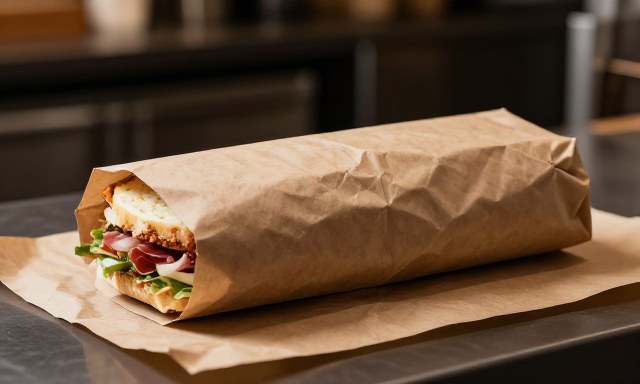
Wrap packed sandwiches in wax paper or parchment paper rather than plastic wrap or ziplock bags. Fold it deli-style: place the sandwich in the center, fold the long sides up over it, then tuck the ends under. For extra security, a rubber band or a piece of masking tape holds it closed. The sandwich arrives at your destination in better condition than anything sealed in plastic.
Why It Works
Plastic wrap is a moisture trap. Any steam or condensation from the sandwich — especially if any components are slightly warm or wet — gets sealed against the bread and accelerates sogginess. Wax paper allows a small amount of moisture vapor to escape while still providing a physical barrier against outside moisture and handling damage. It also prevents the sandwich from compressing as severely as a vacuum-sealed plastic wrap would. Deli wrapping has used this approach for 80 years for exactly these reasons.
When to Use It
For any packed lunch sandwich that will sit for more than 30 minutes before being eaten. School lunches, picnic sandwiches, work lunches — all benefit from paper rather than plastic. For sandwiches with particularly wet fillings (meatball subs, sandwiches with lots of tomato), pack the wet components separately and assemble at eating time regardless of wrapping material.
Pro Tips
- Butcher's paper is a thicker, sturdier alternative to wax paper and works equally well
- The classic deli fold keeps everything tight without tape
- Writing the contents on the paper with a marker is useful for batch-prepped lunches
- For transport in a bag, lay the sandwich flat rather than standing it upright to prevent filling shift