The Technique
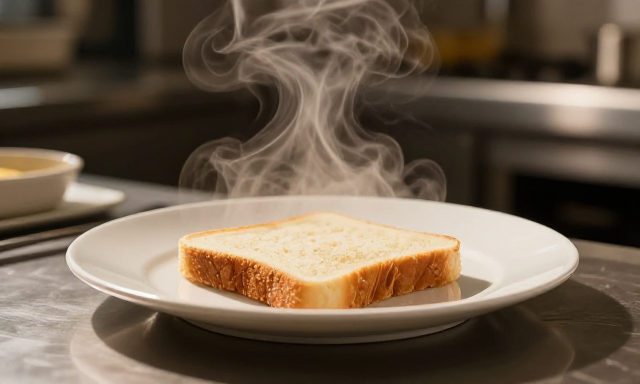
For any hot sandwich — grilled cheese, a Reuben, a hot Italian beef, a croque monsieur — run the serving plate under hot tap water for 30 seconds, then dry it quickly and plate the sandwich immediately. Alternatively, put the plate in a warm oven (150°F) for 5 minutes before plating. The sandwich served on a warm plate retains its heat and structural integrity for several minutes longer than one placed on a cold ceramic surface.
Why It Works
Cold ceramic is an excellent heat sink. A room-temperature plate immediately begins drawing heat from the bottom of a hot sandwich, cooling it unevenly from the bottom up. The bread that was crisp and golden begins to steam from the bottom, softening rapidly. The cheese that was molten starts to set. A warmed plate is thermally neutral — it neither adds heat nor draws it away — allowing the sandwich to retain the temperature and texture you worked to achieve for the full duration of the meal. This is standard practice in professional kitchens for every plated dish.
When to Use It
For any hot sandwich served immediately. Grilled cheese, paninis, Reubens, croque monsieurs, cheesesteaks, meatball subs, hot open-face sandwiches. If you're taking more than 30 seconds to get the sandwich from pan to table, the warm plate matters significantly. For sandwiches that will sit at all — photo shoots, waiting for others to be seated — a warm plate is essential, not optional.
Pro Tips
- Run the plate under the hottest tap water you have — the hotter, the more effective
- Dry the plate completely; moisture on the plate steams the bread from below
- Restaurant kitchens keep a plate warmer running during service; a low oven does the same job at home
- Warm your cutting board too if you're slicing before plating