The Technique
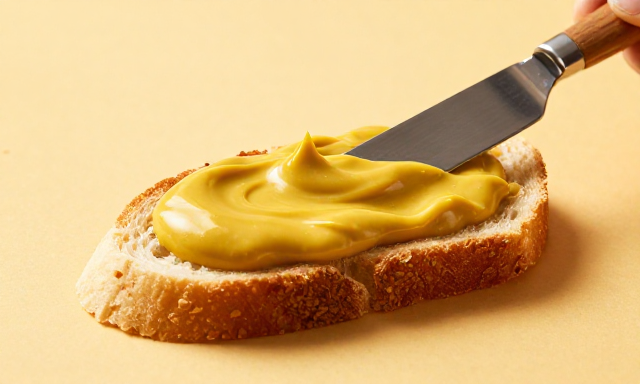
Use mustard not just as a condiment but as a flavor amplifier layered under other components. A thin smear of Dijon beneath the cheese in a grilled cheese, or under the mayo on a turkey sandwich, or brushed on the meat before cooking — in each case, the mustard is invisible in the final bite but its effect on the overall flavor profile is profound. The sandwich tastes more of itself.
Why It Works
Mustard contains isothiocyanates — the same compounds responsible for its sharpness — as well as glutamates, which are natural flavor enhancers with the same mechanism as MSG. When mustard is applied beneath another ingredient, it mingles with fats and proteins and magnifies their flavor signals. It also has emulsifying properties from its lecithin content, which helps bind oil-based components to water-based ones. The net effect is that food seasoned with a small amount of mustard tastes more complex, more savory, and more fully realized than the same food without it.
When to Use It
Mustard under cheese in a grilled cheese — try it once and you'll never skip it. Dijon whisked into a vinaigrette. Yellow mustard brushed on the inside of a burger bun. Wholegrain mustard layered under roast beef. Mustard spread on chicken thighs before grilling for a sandwich. The applications are nearly unlimited. The key is using it as a background note rather than a foreground one — if you can distinctly taste mustard, you've used too much.
Pro Tips
- Dijon is the most versatile variety for this technique
- A tiny amount (1/4 teaspoon) is often sufficient for one sandwich
- Whole-grain mustard adds texture as well as flavor amplification
- English mustard (the sharp yellow variety) works particularly well with beef and sharp cheddar