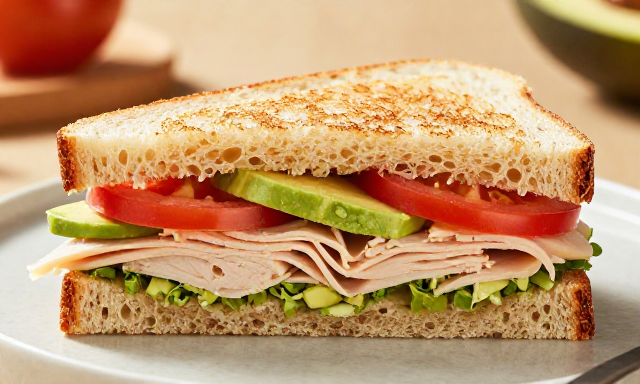
For thirty years, gluten-free sandwich bread was a compromise — dense, crumbly, with a texture that turned to paste against the roof of the mouth and a flavor that suggested rice flour and sadness. The condition of celiac disease, which affects approximately 1% of the global population, has long meant accepting an inferior sandwich experience as a daily fact of life.
That is changing. Several bakeries and food science startups have converged on a formulation that produces genuinely excellent sandwich bread without gluten: a blend of tapioca starch (for chew and stretch), psyllium husk (for the binding that gluten normally provides), and either fermented rice flour or sorghum flour (for flavor complexity). The fermentation step is key — it develops the lactic acid flavor notes that give conventional sourdough bread its depth.
"We ran blind taste tests at three different food labs," said the founder of a gluten-free bread startup that has raised significant venture funding. "When we stripped the packaging, about 40% of gluten-tolerant tasters couldn't identify our bread as gluten-free, and 22% actually preferred it to the conventional bread control. Those numbers don't exist anywhere in the literature from 2020."
The implications for sandwich culture are significant. Delis that once maintained separate, lower-quality gluten-free menus are beginning to offer the same sandwich with gluten-free bread at no quality compromise. Several major sandwich chains are piloting the new formulations. For the estimated 6 million Americans with celiac disease or non-celiac gluten sensitivity, the change is not small: it means the sandwich has been returned to them.
Original Source
This story was reported by Eater. Read the original article →