The Technique
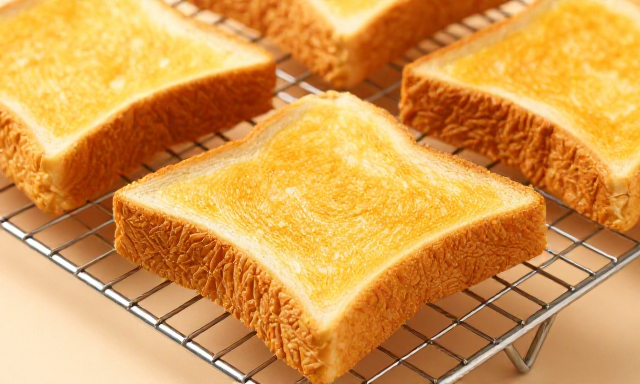
Toast your bread, then set it on a wire rack — or at minimum prop it upright — for two to three minutes before you start building the sandwich. The toast should still be warm but no longer actively steaming. This single step prevents the most common cause of soggy sandwiches: condensation from hot bread meeting cold fillings.
Why It Works
Freshly toasted bread is still releasing steam. When you immediately pile on cold ingredients — lettuce, tomato, cold cuts — the temperature differential causes condensation, which gets absorbed right back into the bread. That crispness you just created vanishes in sixty seconds. Cooling on a rack (rather than a plate) allows air to circulate around both sides, preventing the bottom from steaming itself soft. Two minutes of patience preserves ten minutes of toasting effort.
When to Use It
For any sandwich that involves toasted bread and cold fillings — which is most of them. It's especially important for BLTs, club sandwiches, and anything with mayo where sogginess is a risk. If you're doing a hot sandwich where the fillings are also warm, the gap matters less, but cooling briefly still gives you better structural integrity when you cut and handle the sandwich.
Pro Tips
- A wire cooling rack is ideal; a colander works in a pinch
- Don't cover the toast — trapped steam is the enemy
- The inside faces should cool slightly more than the crust to retain maximum crispness
- If prepping in advance, toast and cool completely before wrapping